Preparing for Emergencies: Essential Pet Safety Tip
Auburn Bay Veterinary Clinic • March 17, 2025
Emergencies can strike at any time, leaving pet owners scrambling to ensure the safety of their beloved furry companions. At Auburn Bay Veterinary Clinic, we understand that pets are family, and their safety is a top priority. Being prepared for emergencies is crucial in minimizing stress and ensuring your pet's wellbeing. This comprehensive guide offers practical tips to help you prepare for potential emergencies and keep your pets safe.
Understanding Potential Emergencies
Emergencies can vary widely, from natural disasters such as floods and fires to more common incidents like accidental ingestion of toxic substances or unexpected injuries. Understanding the types of emergencies that could affect your pet is the first step in effective preparation. In Calgary, Alberta, where Auburn Bay Veterinary Clinic is located, pet owners might face weather-related challenges, alongside everyday hazards.
Create a Pet Emergency Plan
Having a well-thought-out emergency plan is essential to respond quickly and efficiently in urgent situations. Your plan should include:
Emergency Contacts: Keep a list of important phone numbers handy, including Auburn Bay Veterinary Clinic at (587) 356-0911, an after-hours emergency vet, and local animal control services.
Evacuation Routes: Familiarize yourself with safe evacuation routes and have a plan for transporting your pet. Ensure you have a pet carrier or harness readily available.
Designated Safe Spaces: Identify safe areas in your home where your pet can stay during emergencies, such as a basement during storms or a designated room during house repairs.
Pet Emergency Kit: What to Include
A pet emergency kit is a crucial component of your emergency preparedness. Assemble a kit with the following essentials:
Pet Records: Keep copies of your pet's vaccination records, medical history, and identification information.
Food and Water: Pack a supply of non-perishable pet food and bottled water, sufficient for at least three days.
Medications: Include any medications your pet may need, along with instructions for administration.
First Aid Supplies: Include bandages, antiseptic wipes, tweezers, and any necessary equipment for administering basic first aid.
Comfort Items: Pack familiar toys, blankets, and items with your scent to help soothe your pet.
Proper Identification: Microchips and ID Tags
Proper identification is vital in ensuring your pet can be reunited with you if separated during an emergency. Ensure your pet is microchipped and that your contact information is up to date. Additionally, ensure your pet wears a collar with an ID tag at all times, containing your current phone number and address.
Safe Evacuation with Pets
During an evacuation, your pet's safety is paramount. Follow these guidelines to ensure a smooth evacuation process:
Secure Transport Carriers: Have sturdy transport carriers on hand for smaller pets like cats and small dogs. Larger dogs should have leashes and harnesses to prevent them from escaping or panicking.
Calm Demeanor: Maintain a calm and reassuring demeanor during evacuation to reduce your pet's anxiety.
Leashed Walking: When walking your pet outside, keep them on a leash to prevent them from running away out of fear.
Emergency Shelters: Identify pet-friendly emergency shelters in your area where you can seek refuge if you can't return home.
Protecting Your Pet from Poisoning
Accidental ingestion of toxic substances is a common emergency scenario for pets. To prevent poisoning:
Secure Household Chemicals: Keep cleaning supplies, medications, and chemicals out of your pet's reach.
Avoid Toxic Foods: Educate yourself on foods that are toxic to pets, such as chocolate, grapes, and onions, and store them securely.
Plant Safety: Ensure that any plants in your home or garden are non-toxic to pets.
Recognizing Signs of Distress
Being able to recognize signs of distress in your pet can help you respond promptly to emergencies. Common signs of distress include:
Panting or Labored Breathing: This could indicate stress or breathing difficulties.
Excessive Drooling or Vomiting: These may signify poison ingestion or other health issues.
Limping or Difficulty Walking: This could indicate injury or pain.
Seek immediate veterinary attention if you observe any of these signs.
Regular Check-Ups: Preventative Care Matters
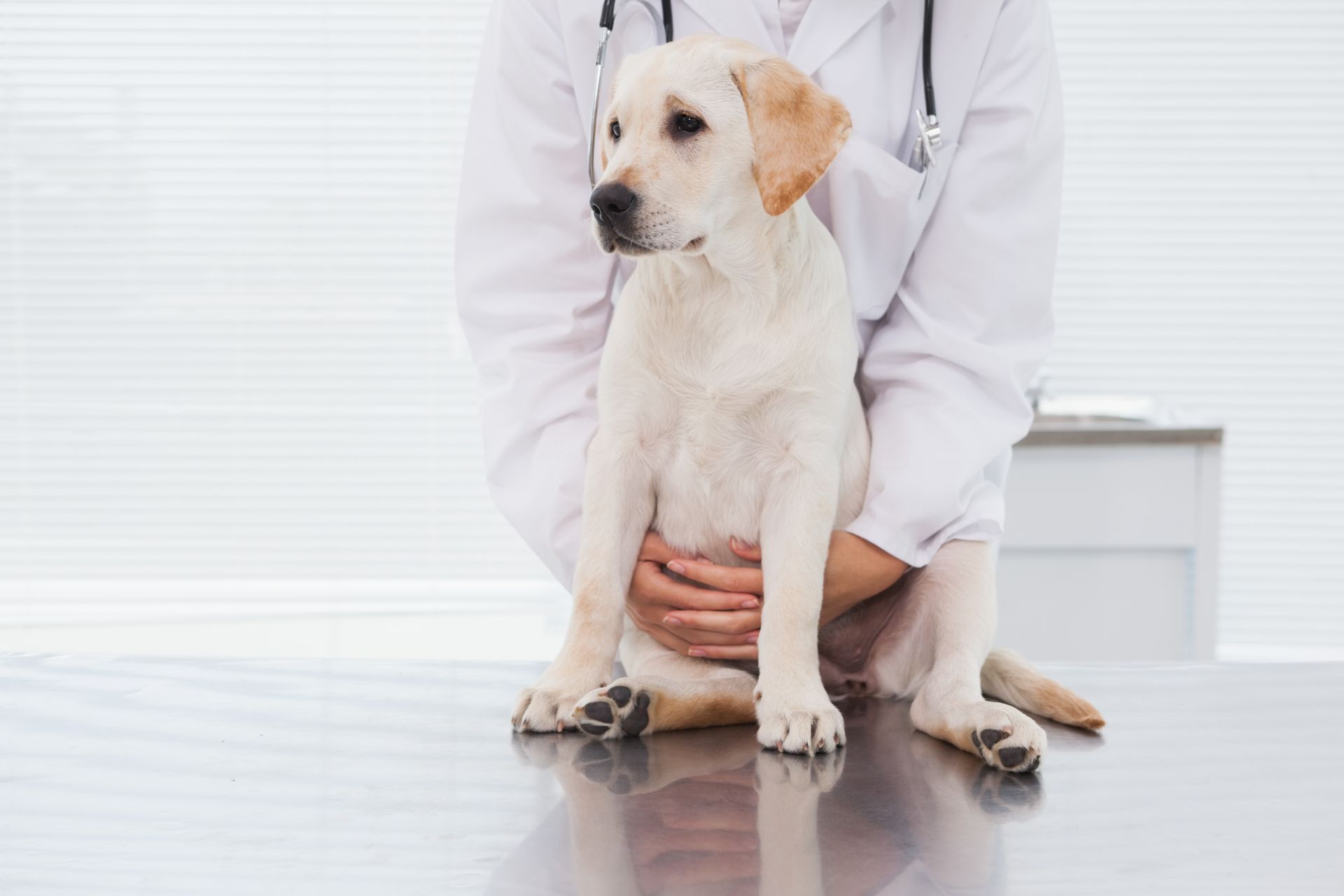
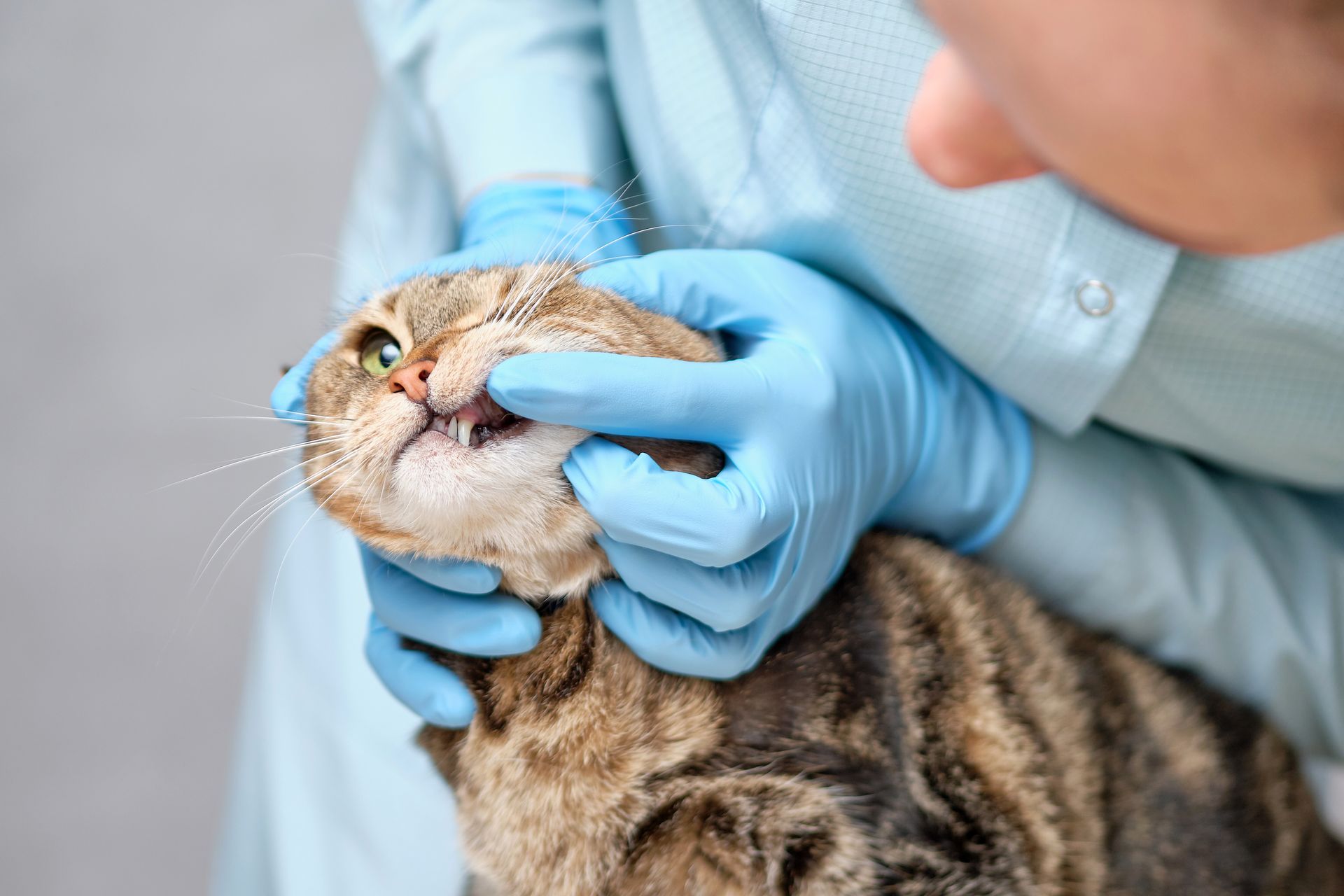
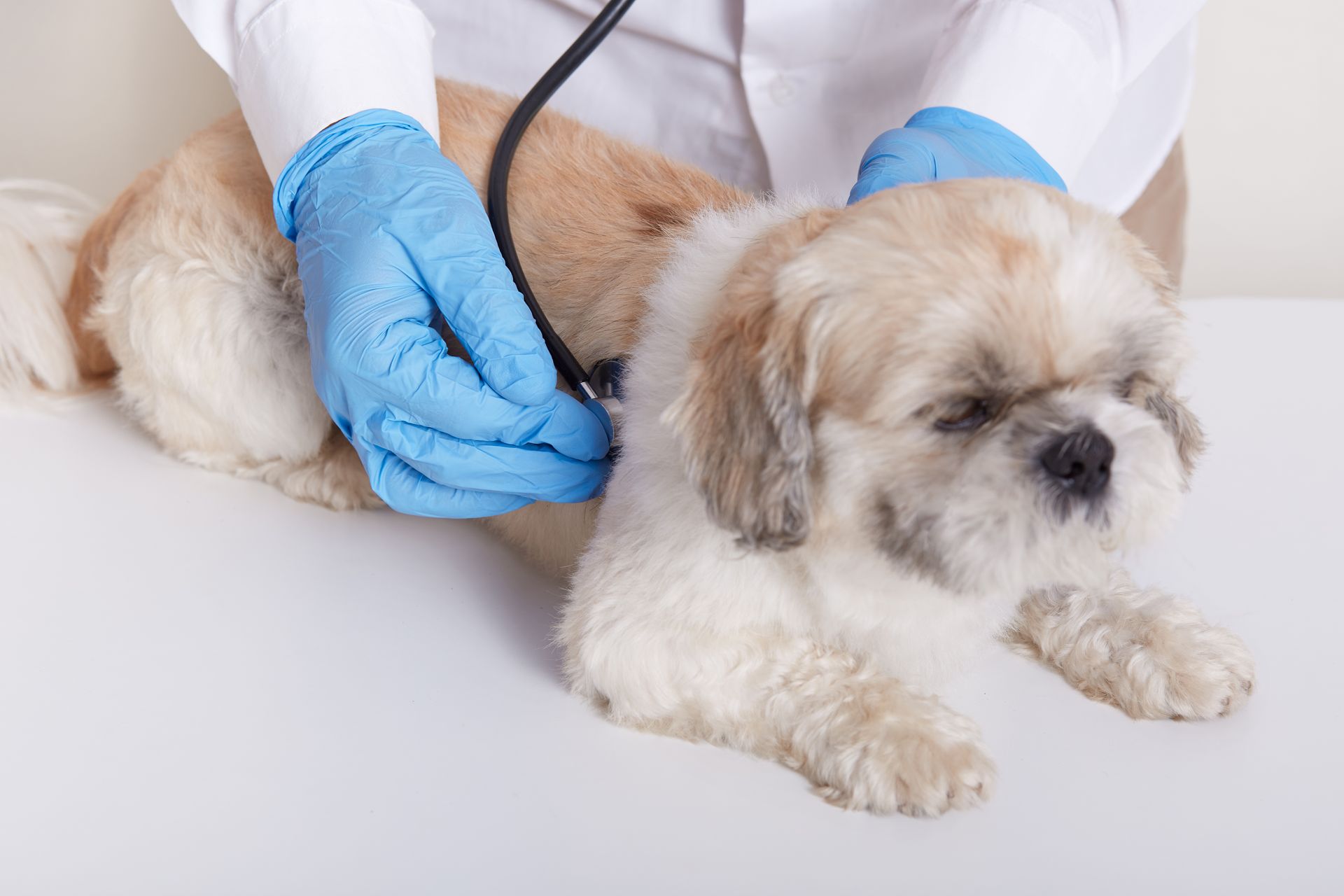
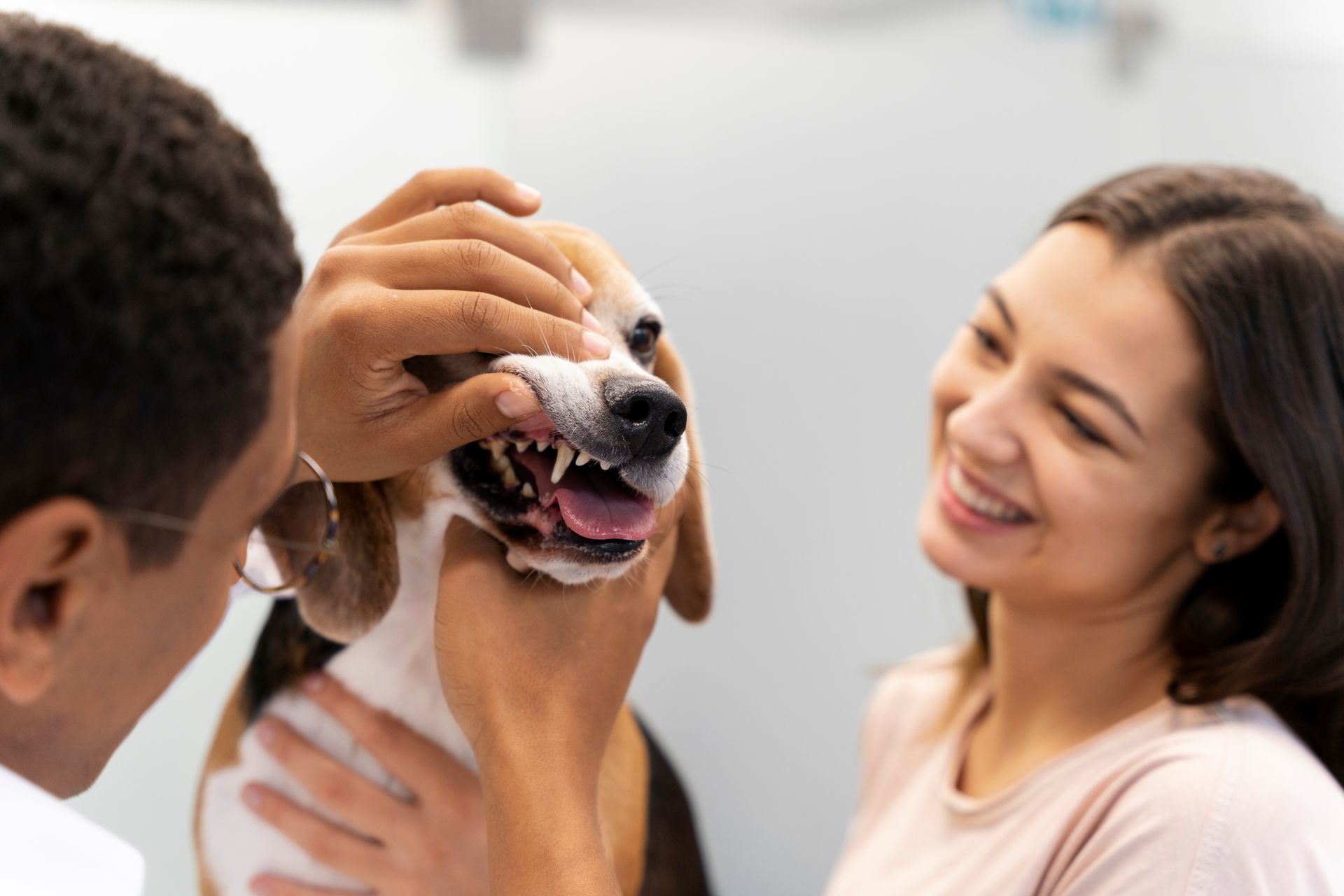
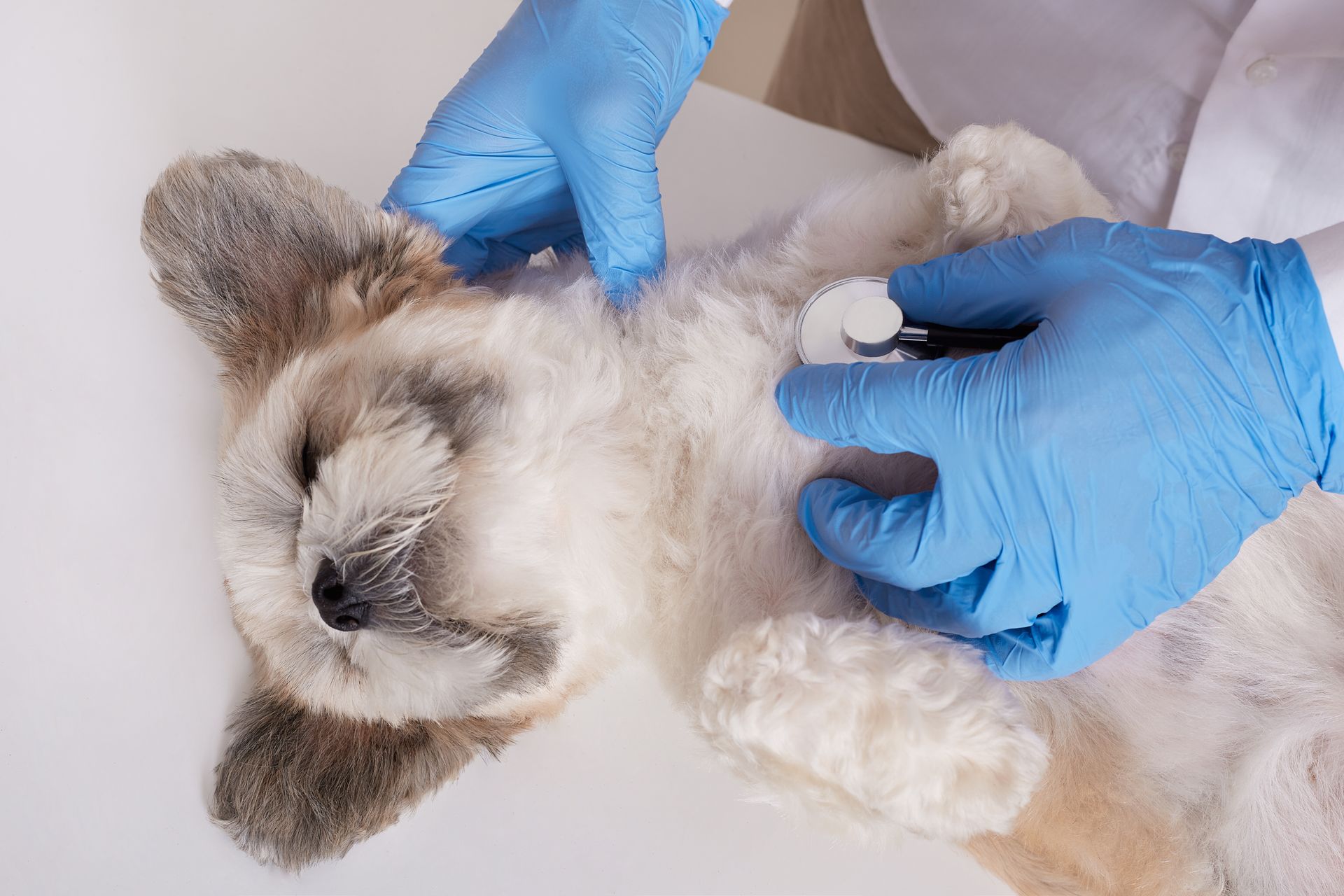
Regular veterinary check-ups play a crucial role in preventing emergencies by identifying potential health issues early. At Auburn Bay Veterinary Clinic, we offer comprehensive Pet Check-Ups, including Nose-to-Tail Exams, to ensure your pet's health is in peak condition.
Our veterinarians are trained to detect signs of illness, assess your pet's overall health, and provide necessary vaccinations and treatments to prevent diseases.
Trust Auburn Bay Veterinary Clinic in Emergencies
In times of need, the experienced team at Auburn Bay Veterinary Clinic is here to provide compassionate and immediate care for your pet. Whether it's an injury, illness, or unexpected situation, we're equipped to handle a range of emergencies with expertise and empathy.
Contact Us for Your Pet's Safety
Preparedness is key to ensuring the safety and wellbeing of your pet during emergencies. At Auburn Bay Veterinary Clinic, we're committed to supporting pet owners in Calgary with essential advice and reliable veterinary care. Contact us for more information on pet safety or to schedule a check-up for your furry friend. Call us at (587) 356-0911 or email us at info@auburnbayvet.com. Your pet's safety is our priority, and we're here to help you every step of the way.
Share This Blog