5 Vital Steps in Veterinary Dental Extractions and Therapies
Auburn Bay Veterinary Clinic • August 19, 2026
Hearing that your pet needs a tooth removed can sound intimidating for any devoted owner. Understanding the careful medical protocols involved in veterinary dental therapies can help ease those worries immediately. Auburn Bay Veterinary Clinic handles oral procedures with the highest clinical standards to protect your animal at every stage.
Modern pet dental care involves far more than simply pulling a bad tooth. A proper extraction requires precise surgical techniques, dedicated pain management, and strict post operative support to ensure a smooth healing process. Walking through the exact steps reveals exactly how we prioritize safety and comfort for your furry family member.
What We Cover:
- Tip 1: Prioritize Pre-Surgical Blood Work and Health Verification
- Tip 2: Utilize Advanced Digital Dental Radiographs
- Tip 3: Administer Targeted Local Nerve Blocks
- Tip 4: Execute a Surgical Extraction Protocol
- Tip 5: Close the Site and Monitor Recovery
- Frequently Asked Questions
Tip 1: Prioritize Pre-Surgical Blood Work and Health Verification
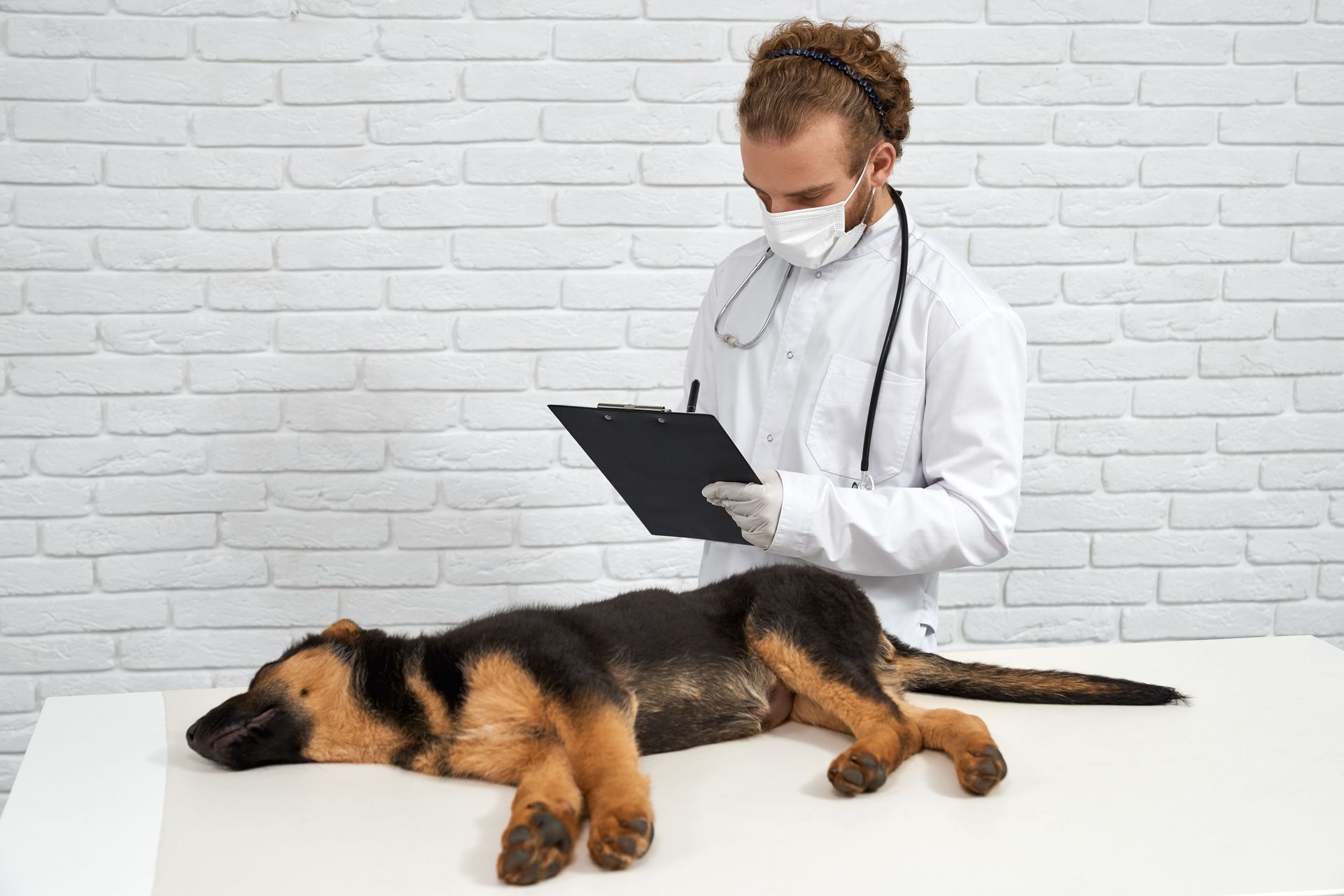
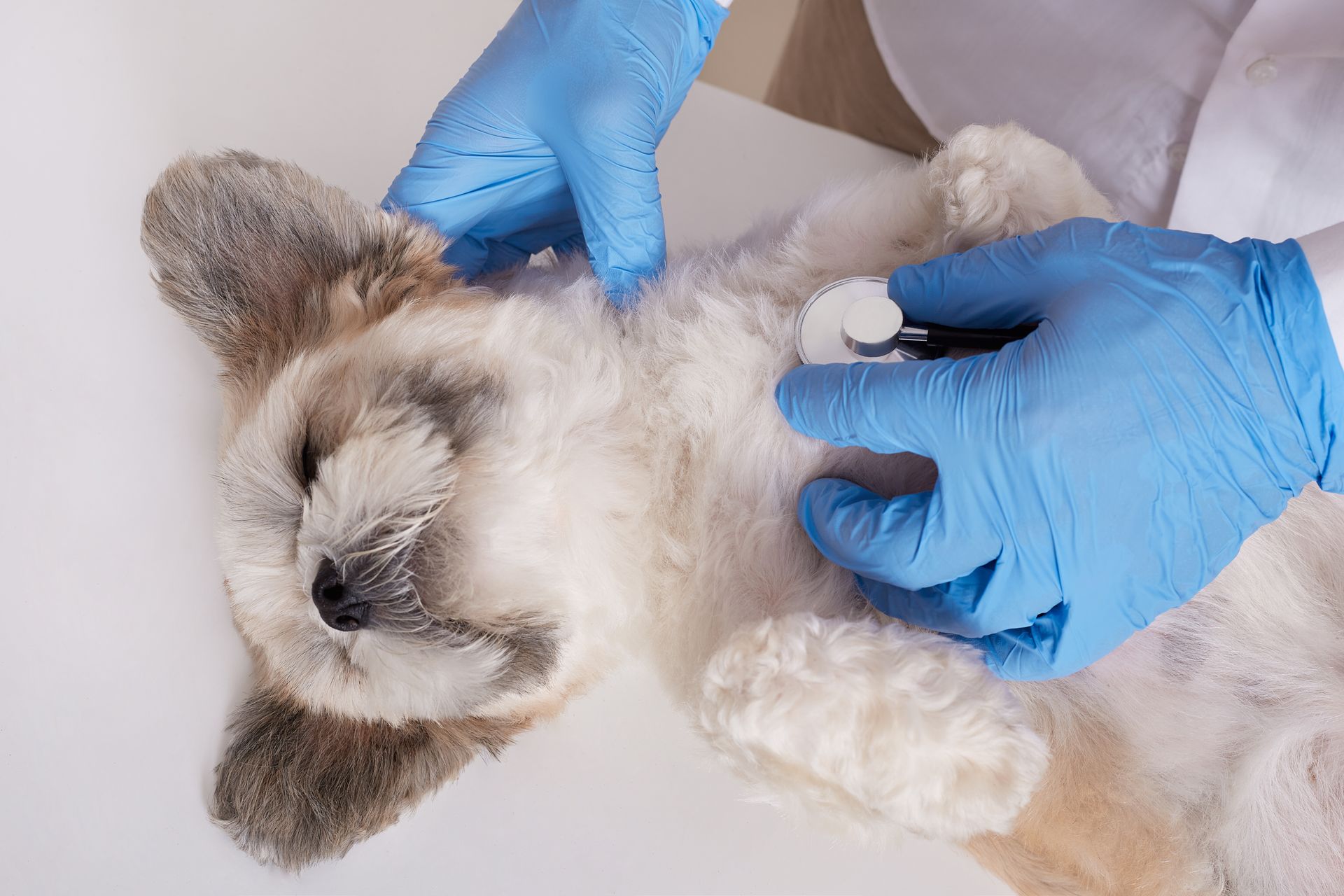
Before any anesthetic procedure begins, confirming the internal health of the patient is our absolute first priority. Evaluating liver and kidney function ensures your pet can process the anesthesia medications safely and efficiently. This clinical step allows the veterinary team to tailor the sedation protocols specifically to the individual animal.
- Baseline Testing: We run specific blood panels to check organ function and red blood cell counts before proceeding with surgery.
- Anesthetic Customization: The veterinary team adjusts medication types and specific dosages based entirely on the precise lab results.
- Hydration Support: Intravenous fluids are often started early to maintain blood pressure and support kidney filtration throughout the procedure.
Tip 2: Utilize Advanced Digital Dental Radiographs
A significant portion of a tooth hides entirely out of sight beneath the gum line. Attempting an extraction without digital imaging is essentially driving blind, as the roots can be curved, hooked, or actively deteriorating. Whether you are visiting from Vernon, BC, or live right here in our local community, we always use digital x-rays to reveal the true state of the jawbone.
- Root Resorption Detection: Imaging exposes hidden decay where the body has begun attacking the tooth root itself below the surface.
- Structural Assessment: X-rays show the exact angle of the roots so the veterinarian can plan a clean and efficient surgical approach.
- Post-Extraction Verification: A final image confirms absolutely no microscopic root fragments are left behind to cause future infection.
Tip 3: Administer Targeted Local Nerve Blocks
Just like in human dentistry, blocking the pain right at the source is critical for a smooth procedure. General anesthesia keeps the pet asleep, but local nerve blocks stop pain signals from ever reaching the brain. This advanced clinical technique drastically reduces the amount of general gas anesthetic needed to keep the patient comfortable.
- Precision Numbing: Medical numbing agents are applied directly to the specific sensory nerves supplying the affected jaw quadrant.
- Safer Sedation: Lowering the reliance on inhalant gas keeps the cardiovascular system much more stable during the operation.
- Immediate Relief: The local block lasts well into the recovery phase so your pet wakes up comfortably and without sudden distress.
Tip 4: Execute a Surgical Extraction Protocol
Pulling a multi rooted tooth with force can easily fracture the delicate surrounding jawbone. Instead, a veterinary surgeon creates a gingival flap to expose the bone and carefully sections the tooth into single roots using a high speed drill. This surgical approach minimizes tissue trauma and promotes much faster healing for the patient.
- Tissue Management: The gum tissue is gently lifted away to preserve blood supply for the final wound closure.
- Tooth Sectioning: Drilling multi rooted teeth into individual pieces allows for a gentle elevation of each root separately.
- Bone Smoothing: Any rough edges on the jawbone are filed down to prevent irritation under the gum flap during the healing process.
Tip 5: Close the Site and Monitor Recovery
Leaving an empty socket open invites food debris and dangerous bacteria straight into the healing bone. We close the surgical site using fine absorbable sutures to create a watertight seal over the extraction area. Dedicated veterinary technicians then monitor the pet continuously as they wake up in a warm and quiet recovery area.
- Suture Placement: Absorbable stitches close the gingival flap securely and dissolve naturally over a few weeks without needing removal.
- Temperature Regulation: Warmed blankets and specialized heating pads prevent the body temperature from dropping during the recovery phase.
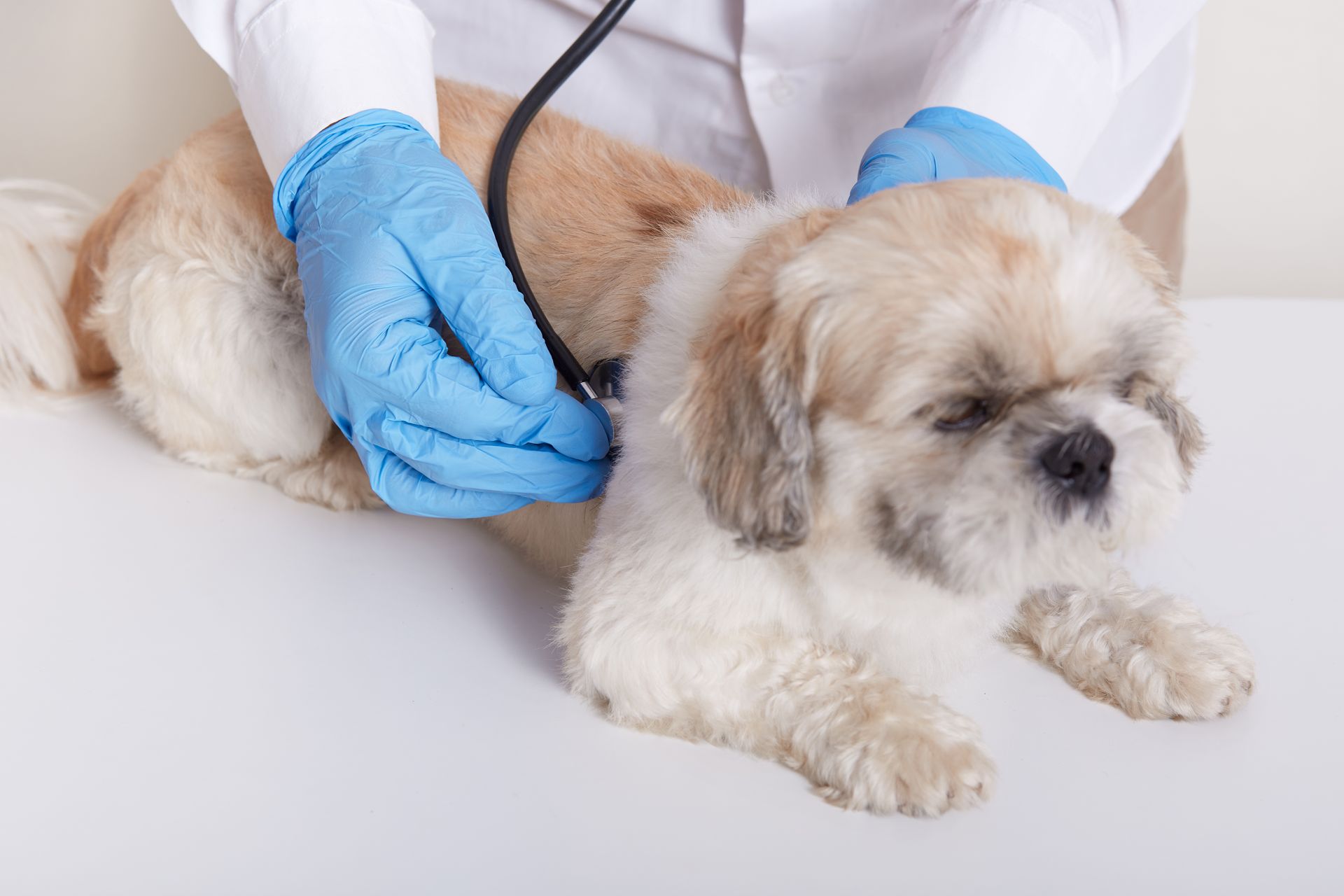
- Vitals Tracking: Heart rate, oxygen levels, and blood pressure are strictly monitored until the pet is fully awake and alert.
Frequently Asked Questions
Is anesthesia safe for older pets needing dental work?
Age is not a disease, but senior pets do require modified anesthetic protocols. By running extensive pre operative diagnostics, the veterinary team can choose medications that are exceptionally gentle on aging organs. With dedicated monitoring equipment and customized sedation, older dogs and cats handle oral surgery very well.
How long is the recovery after a dog tooth extraction?
The soft tissue in the mouth heals incredibly fast due to its rich blood supply. Most pets return to their normal eating habits and energy levels within two to three days after the procedure. The surgical site fully seals over the bone within about two weeks, during which hard chew toys must be strictly avoided.
Can I brush my pet teeth after oral surgery?
You must avoid brushing the surgical area or introducing any friction until the vet confirms the sutures have dissolved. Brushing too early can easily tear the delicate gum flap and expose the healing bone to infection. You can gently wipe the unaffected teeth with a soft cloth, but always wait for medical clearance before resuming full brushing.
Prioritizing Safe Oral Health for Your Pet
Taking care of advanced dental disease eliminates chronic pain and adds healthy years to the life of your animal. Knowing the clinical steps involved ensures you can confidently advocate for the best medical practices when your furry friend needs help.
Contact our clinic to schedule an oral assessment and create a safe treatment plan today.
Share This Blog