The Reality of Physical Pet Exams What Vets Can and Cannot See
Auburn Bay Veterinary Clinic • September 16, 2026
Booking an annual checkup is a standard part of responsible pet ownership, yet many people misunderstand what these visits actually reveal. A hands on assessment is a vital tool, but it only tells a fraction of the story regarding internal function. At Auburn Bay Veterinary Clinic, we believe in helping owners understand exactly how we evaluate the health of their furry family members. Knowing the limits of physical pet exams ensures you can make informed decisions when additional screening is recommended.
A veterinarian relies heavily on touch, sight, and sound during a standard appointment. While these senses catch numerous external issues, they cannot measure organ health or detect early stage diseases hiding beneath the surface. Our goal is to set realistic expectations for what a routine visit achieves and why clinical science is often needed to fill in the gaps. Let us break down the reality of these evaluations so you know precisely what is happening in the exam room.
Inside This Article:
- The True Scope of a Hands On Assessment
- Addressing the Overestimation of Visual Health
- Combining Exams With Veterinary Diagnostics
- Frequently Asked Questions
- Securing a Complete Picture of Health
The True Scope of a Hands On Assessment
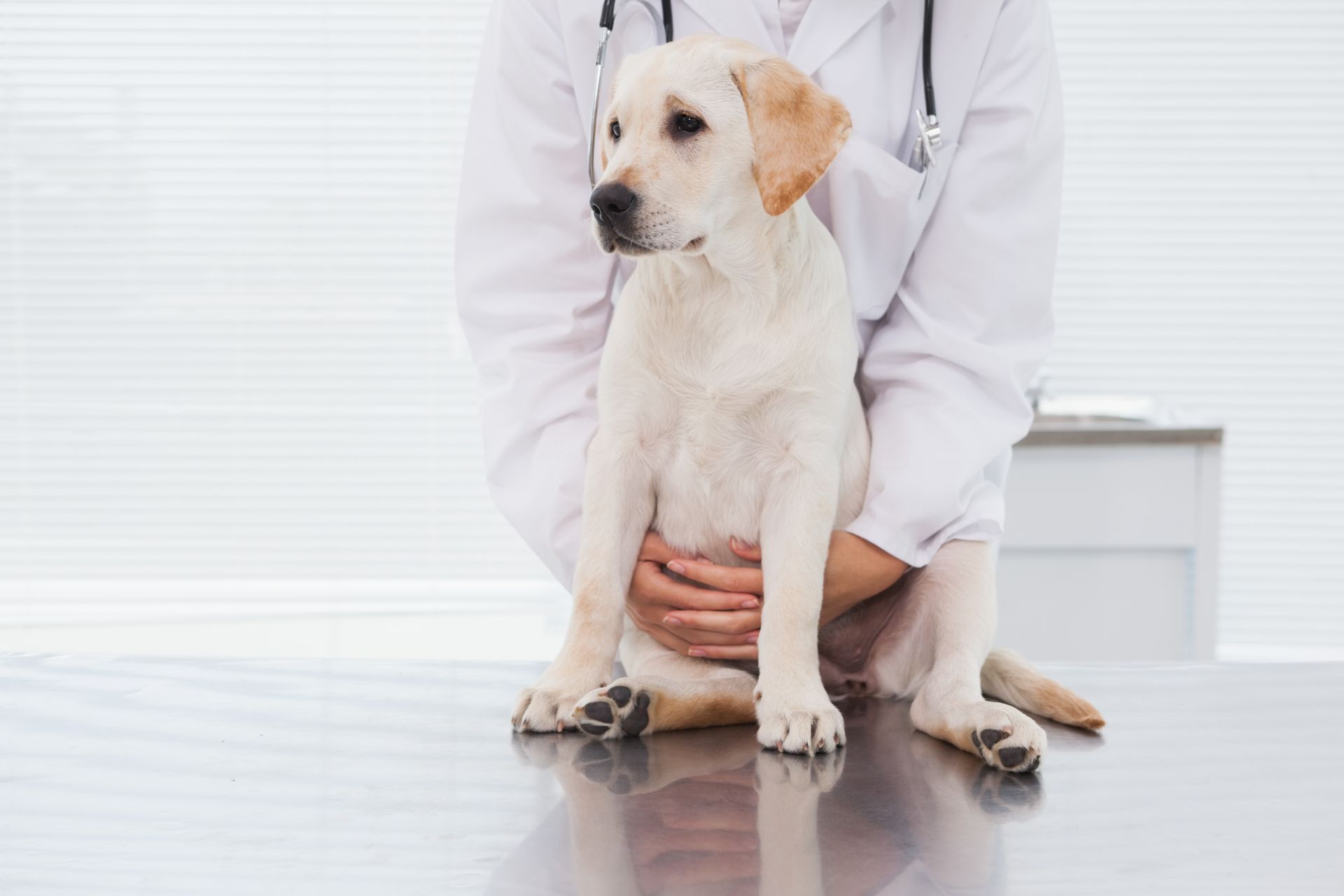
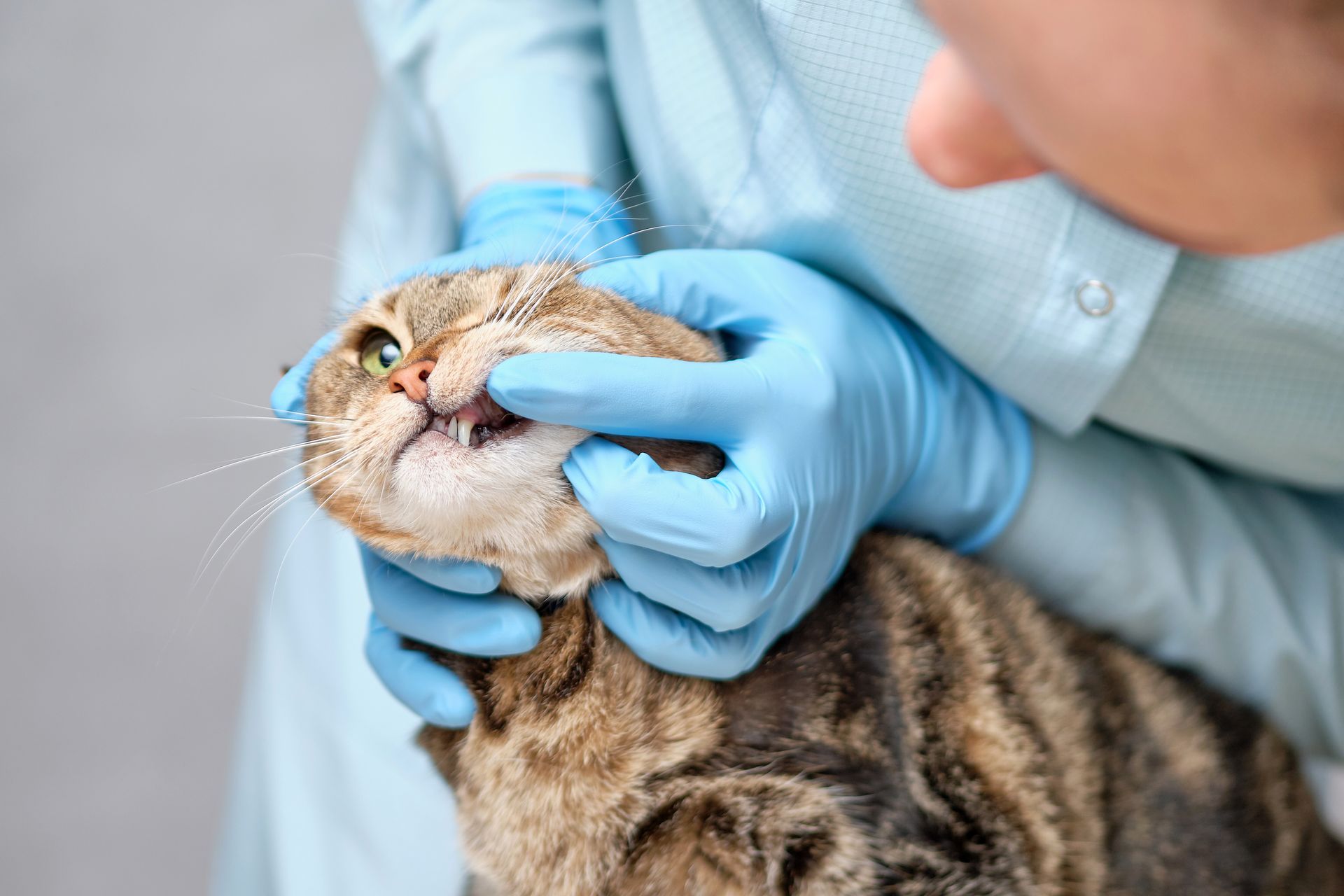
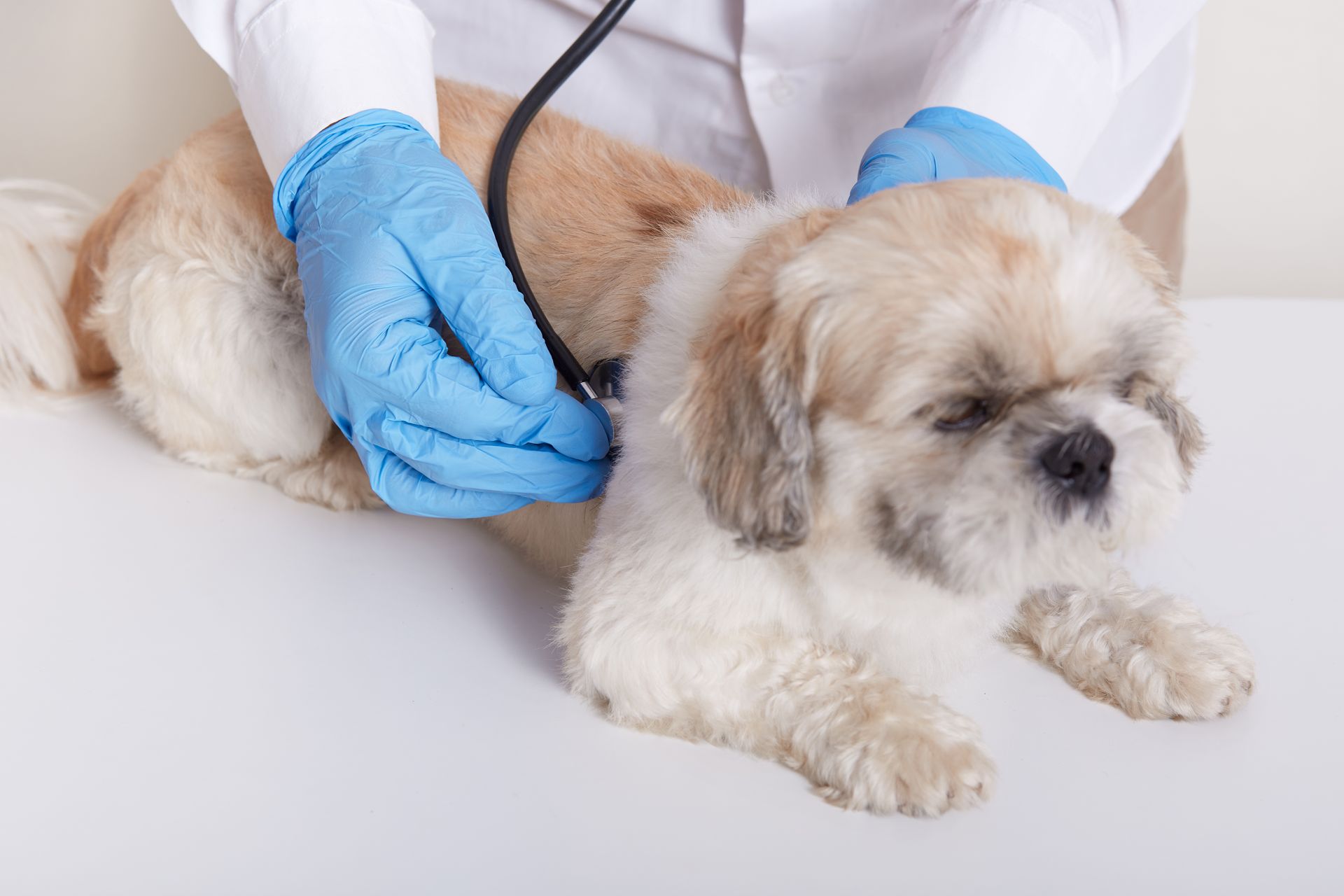
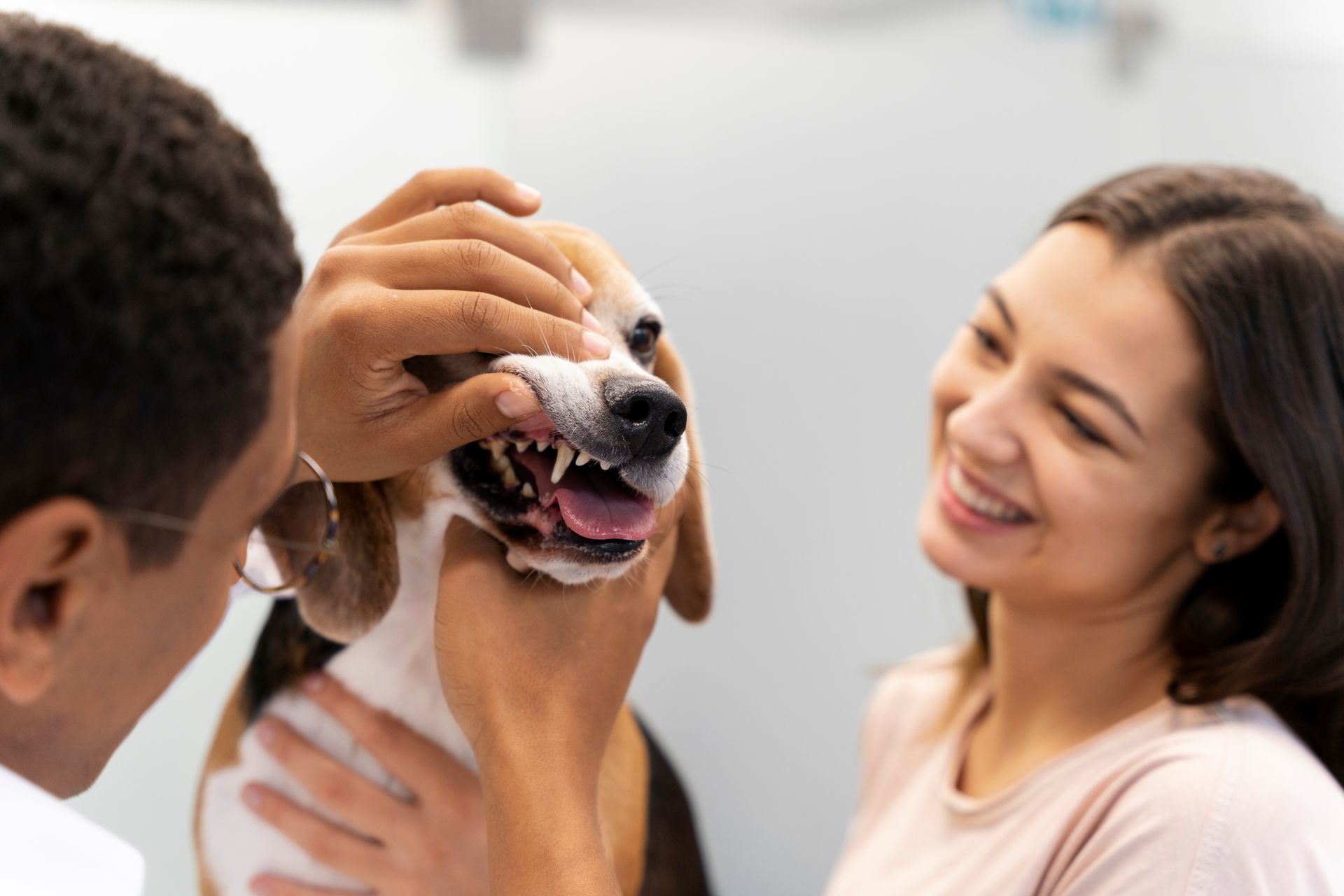
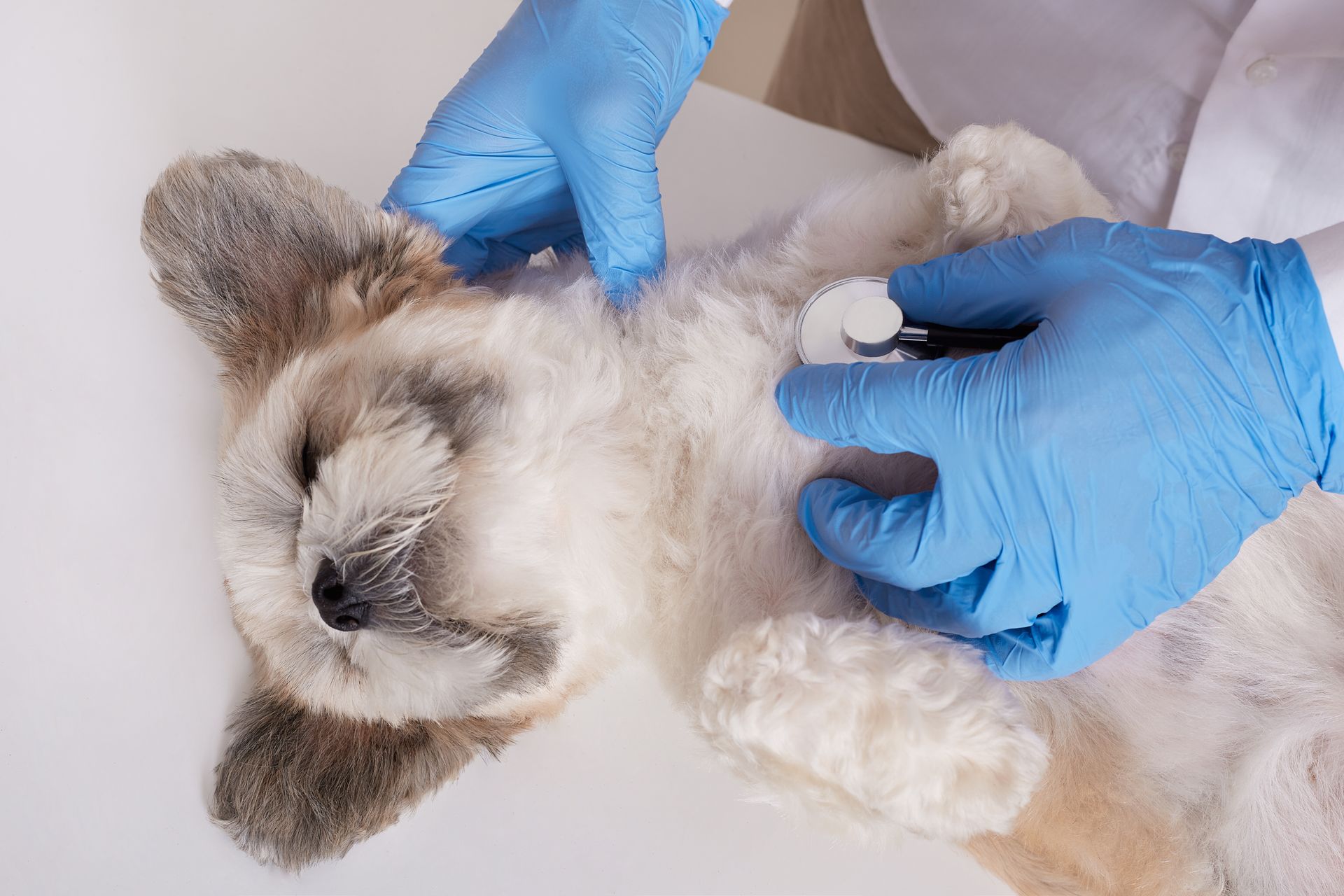
When a veterinarian examines your pet, they are systematically checking for physical abnormalities across the body. By palpating the abdomen, listening to the heart, and inspecting the eyes, they can identify immediate red flags like murmurs, obvious pain, or severe dental decay. This initial screening is incredibly effective for catching localized issues that require prompt attention, such as skin infections or joint stiffness.
However, this hands on approach is fundamentally an external evaluation of internal systems. A doctor can feel if a liver is significantly enlarged, but they cannot feel if that liver is filtering toxins correctly. Relying solely on physical touch means conditions must be relatively advanced before they create a noticeable structural change in the animal.
From a professional standpoint: → A physical exam is an excellent baseline indicator of health, but it is not a definitive diagnostic tool for internal disease.
Addressing the Overestimation of Visual Health
A very common assumption pet owners make is that a dog or cat playing happily must be perfectly healthy on the inside. This overestimation of visual health leads many to decline recommended blood panels or urinalysis during their visits. The reality is that animals are instinctively wired to hide illness and weakness, often appearing completely normal while coping with early stage kidney disease or thyroid imbalances.
Waiting for physical symptoms to appear before authorizing further testing often results in a much harder treatment path. By the time a pet loses weight or stops eating, the underlying issue has usually progressed significantly. Even pets vacationing in Osoyoos, BC, running around the lake without a care, might be harboring hidden metabolic changes that a simple visual check would miss.
A quick tip to remember: → Do not let a shiny coat and a wagging tail convince you to skip routine internal screening.
Combining Exams With Veterinary Diagnostics
To get a truly accurate read on your pet, the physical exam must be paired with modern internal medicine protocols. Blood work, ultrasound imaging, and digital x-rays provide the concrete clinical data that the naked eye simply cannot see. These tools allow veterinarians to track slight cellular changes year over year, catching diseases long before they cause any physical pain or structural damage.
When you combine a thorough hands on check with scientific diagnostics, you remove the guesswork from veterinary care. This dual approach ensures that treatments, like specific diets or updated pet vaccination protocols, are perfectly tailored to the actual biological needs of the animal. It shifts the focus from reacting to late stage symptoms to proactively preserving their quality of life.
From a professional standpoint: → True preventive care relies on seeing the unseen through consistent lab testing rather than waiting for physical deterioration.
Frequently Asked Questions
Why does my pet need blood work if they look healthy?
Blood work establishes a normal baseline for your specific animal when they are in good health. If they become sick later, veterinarians compare the new results to this baseline to spot exact internal shifts. This proactive testing often catches kidney, liver, and endocrine issues months before physical symptoms ever develop.
Can a vet feel an internal mass during a normal check up?
A doctor can sometimes feel an internal mass if it is large enough and located in an accessible area of the abdomen. However, small tumors or masses hidden behind the ribs or within organs are impossible to detect through touch alone. This is exactly why ultrasound and digital x-rays are utilized for a conclusive diagnosis.
How often should a senior pet get a full exam?
Because an aging body changes rapidly, senior pets require a complete physical evaluation every six months. This frequency allows the veterinary team to monitor joint degradation and adjust pain management protocols as needed. Combining these exams with annual diagnostic panels ensures age related diseases are managed effectively.
Securing a Complete Picture of Health
Pairing a thorough physical evaluation with clinical diagnostics is the only way to truly understand what is happening inside your animal. Moving beyond visual assumptions protects your pet from silent diseases and gives you peace of mind. Contact our clinic to schedule an appointment and establish a complete health baseline for your furry companion today.
Share This Blog