What to Know Before Booking Orthopedic Surgery for Your Dog
Auburn Bay Veterinary Clinic • September 2, 2026
Preparing your dog for a major operation is often a stressful experience for any devoted pet owner. Knowing exactly what to expect helps reduce that anxiety and sets the stage for a smooth healing process. At Auburn Bay Veterinary Clinic, we guide owners through every phase of pet orthopedic surgery to ensure nothing is left to chance. Proper preparation is just as vital to the final outcome as the procedure itself.
Many owners focus entirely on the day of the operation, but the weeks following are critical for long term healing. Setting up your home and asking the right clinical questions beforehand gives you confidence in your decisions. This proactive approach minimizes unexpected challenges when you bring your dog home. Let us walk through the essential details you need to organize before booking that surgical appointment.
What You Need to Know:
- Preparing Your Home for Post Operative Recovery
- Red Flags to Watch for When Evaluating Surgical Providers
- Questions You Must Ask Before Committing to Surgery
- Taking the Next Step Toward Healing
Preparing Your Home for Post Operative Recovery
Once your dog leaves our care, their immediate environment plays a massive role in how well their bones and joints heal. Restricting their movement is not just a suggestion, but a strict medical requirement to prevent implant failure or re-injury. You will need to make physical adjustments to your living space before the day of the pet orthopedic surgery.
- Floor Traction: Place non slip rugs or yoga mats over slippery hardwood floors to prevent dangerous slips.
- Confined Spaces: Set up a dedicated crate or small recovery pen on the main floor to eliminate stair climbing.
- Leash Readiness: Keep a short leash by the door, as all bathroom breaks must be strictly controlled to prevent sudden running or jumping.
Red Flags to Watch for When Evaluating Surgical Providers
Entrusting a professional with a complex operation requires absolute confidence in their clinical standards and pain management protocols. In the veterinary industry, not all clinics maintain the same level of surgical monitoring or post operative care. It is important to know what standard practices look like so you can identify clinics that might cut corners. Being aware of these red flags protects your pet from unnecessary risks during their procedure.
- Vague Pain Management: A provider should be able to explicitly list the pre and post operative medications used, rather than just promising the pet will be fine.
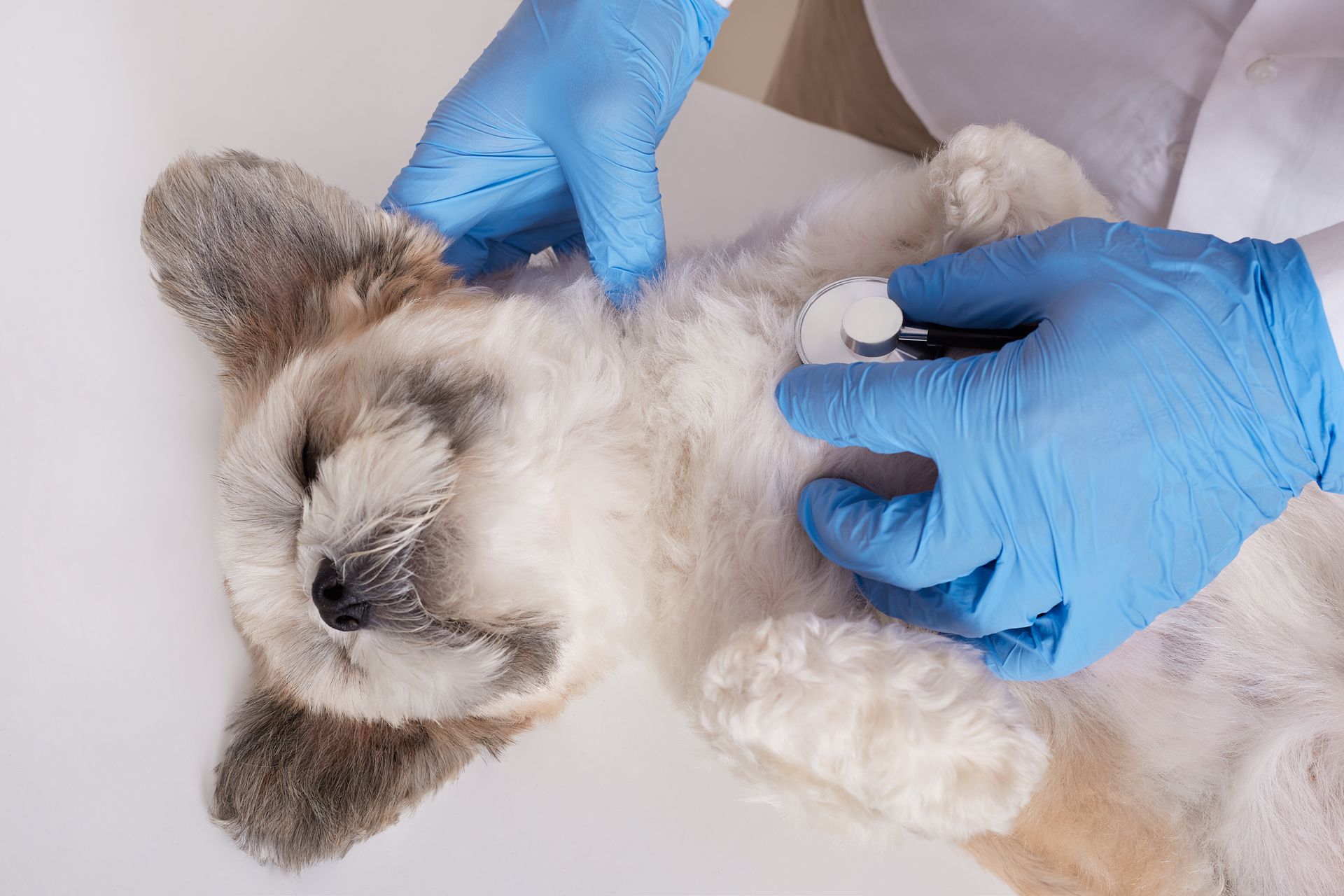
- Skipped Diagnostics: Clinics that do not require recent blood work or current x-rays before an invasive joint surgery are bypassing critical safety checks.
- Minimal Monitoring Details: If a clinic cannot explain who is dedicated to monitoring vitals like blood pressure and oxygen during anesthesia, you should reconsider booking.
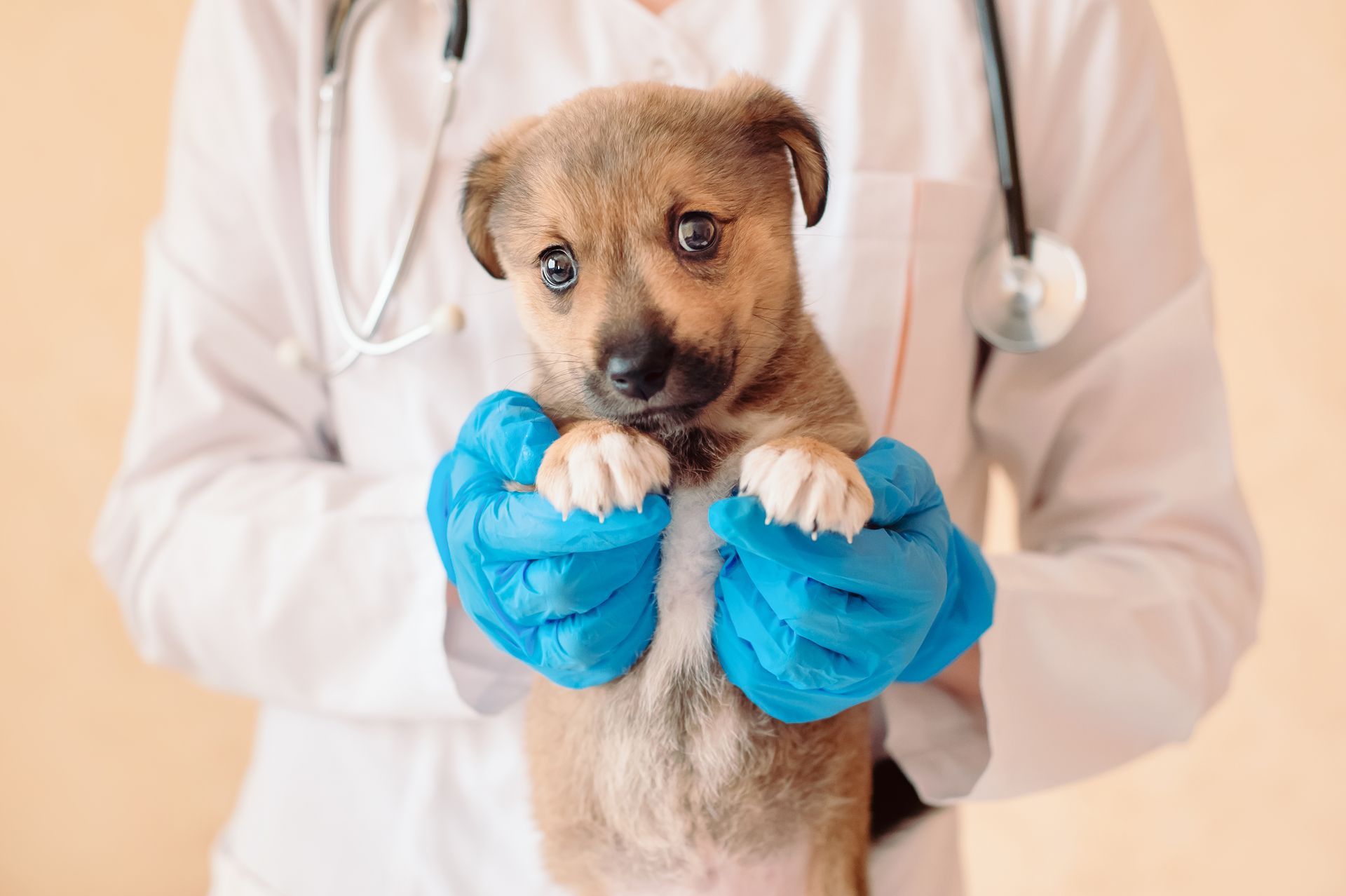
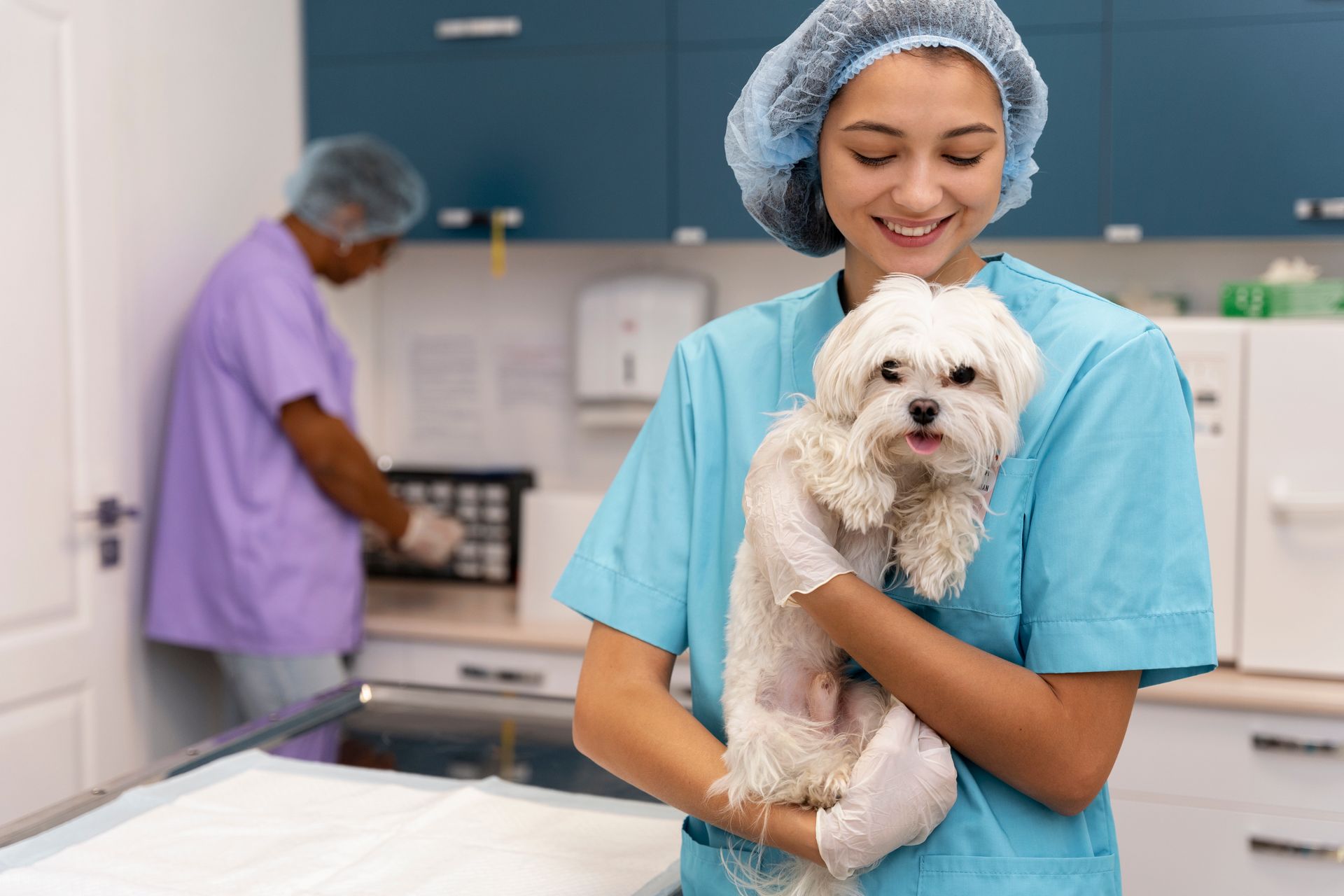
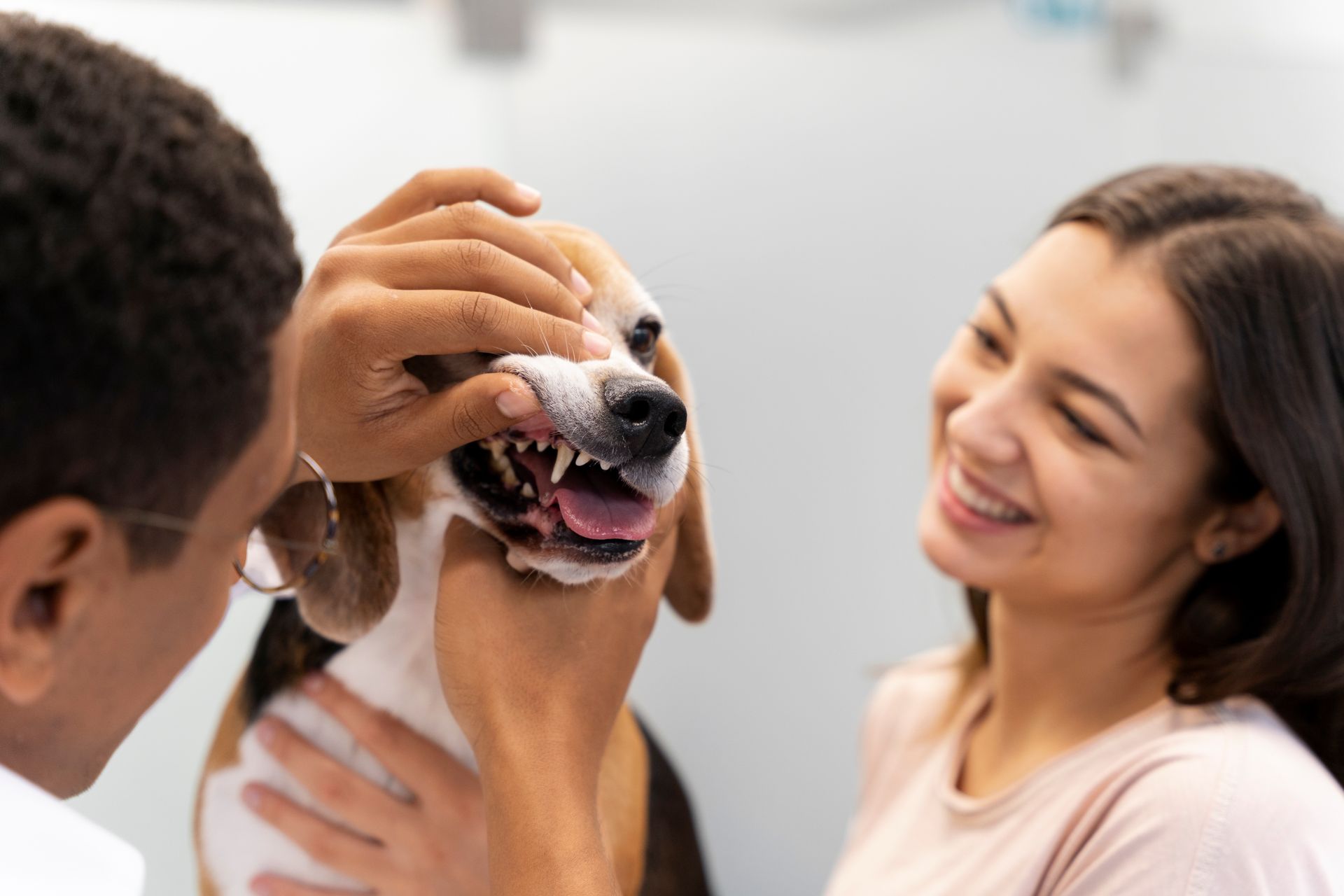
Ensuring pets feel safe and comfortable in a clinical setting is a core part of reducing anxiety before any procedure. It is a pattern the team at Auburn Bay Veterinary Clinic hears regularly from families who bring their pets in for specialized care in Southeast Calgary.
► Client Experience: I recently brought my puppy here for his vaccination, and I had a great experience. The staff were very kind, gentle, and professional. They took good care of my puppy and made sure he was comfortable during the visit. Everything was done quickly and with great attention to detail. The clinic feels clean and welcoming, and you can tell that everyone truly loves animals. I am very happy with the service and will definitely come back again. - Viktoriia Apollonina
Providing that exact level of attentive care is why we prioritize clear communication before, during, and after every operation.
Questions You Must Ask Before Committing to Surgery
Asking detailed questions before signing a consent form clarifies the entire process and establishes realistic expectations for recovery. You should understand the specific techniques being used and exactly what your responsibilities will be once the animal returns home.
- Rehabilitation Needs: Ask if your dog will require professional physical therapy or if guided at home exercises will be sufficient.
- Emergency Contacts: Clarify what the protocol is if your pet experiences excessive swelling or pain outside of regular business hours.
- Expected Timelines: Request a week by week breakdown of what mobility restrictions will look like during the healing phase.
What is the success rate of orthopedic surgery in dogs?
The long term outcome heavily depends on the specific joint being repaired, the age of the dog, and strict adherence to rest protocols. Most common procedures, like cruciate ligament repairs, carry a very high success rate when the owner closely follows the post operative medication and restriction guidelines. However, if a dog is allowed to run or jump too early, the risk of implant failure drastically increases, highlighting why home preparation is so critical.
Taking the Next Step Toward Healing
Understanding these risks and preparing your home environment makes the path to recovery much clearer for everyone involved. Having a solid plan in place allows you to focus entirely on comforting your dog while they heal. Reach out to our team to schedule a surgical consultation so we can discuss the best approach for your furry companion.
Share This Blog