Why Pre-Winter Pet Exams Matter for Senior Dogs and Cats
Auburn Bay Veterinary Clinic • November 4, 2026
Watching an older dog or cat slow down is a natural part of their life cycle that requires a thoughtful approach to their changing needs. As the seasons transition, many pet owners notice a distinct difference in the mobility and energy levels of their aging companions. Auburn Bay Veterinary Clinic focuses on identifying these subtle changes early to ensure every animal remains comfortable year round. Scheduling senior pet exams right before the colder months arrive provides the exact clinical information needed to protect their quality of life.
Waiting until your dog is actively limping or refusing to climb stairs often means they are already experiencing significant discomfort. Cold environments naturally exacerbate existing inflammatory conditions like arthritis, making proactive management crucial. A late fall assessment allows the veterinary team to review their internal health and adjust any ongoing treatments before the freeze sets in. This approach gives you the necessary tools to keep them active and pain free throughout the entire season.
What we explore in this article:
- The Impact of Dropping Temperatures on Aging Joints
- Establishing a Clinical Baseline Before Winter Arrives
- Managing Discomfort with Honest Proactive Care
- Frequently Asked Questions
The Impact of Dropping Temperatures on Aging Joints
When the temperature drops, the fluid inside the joints naturally thickens, which increases stiffness and reduces overall flexibility. For older dogs dealing with early stage osteoarthritis, this environmental change makes basic movements noticeably more difficult. The cold weather affects older dogs by causing their muscles to tense up in an effort to retain body heat, which places additional strain on already weakened joint structures. This creates a cycle of reduced activity and increased stiffness that can quickly degrade their mobility.
Recognizing this biological response is the first step in protecting your pet from unnecessary suffering. Owners in Calgary, AB, often notice their senior dogs hesitating at the back door or taking longer to stand up from their beds during the colder months. These are not just normal signs of aging to be ignored, but clear indicators that the joints require medical support. Addressing this stiffness medically allows the animal to maintain a healthy level of daily activity.
Establishing a Clinical Baseline Before Winter Arrives
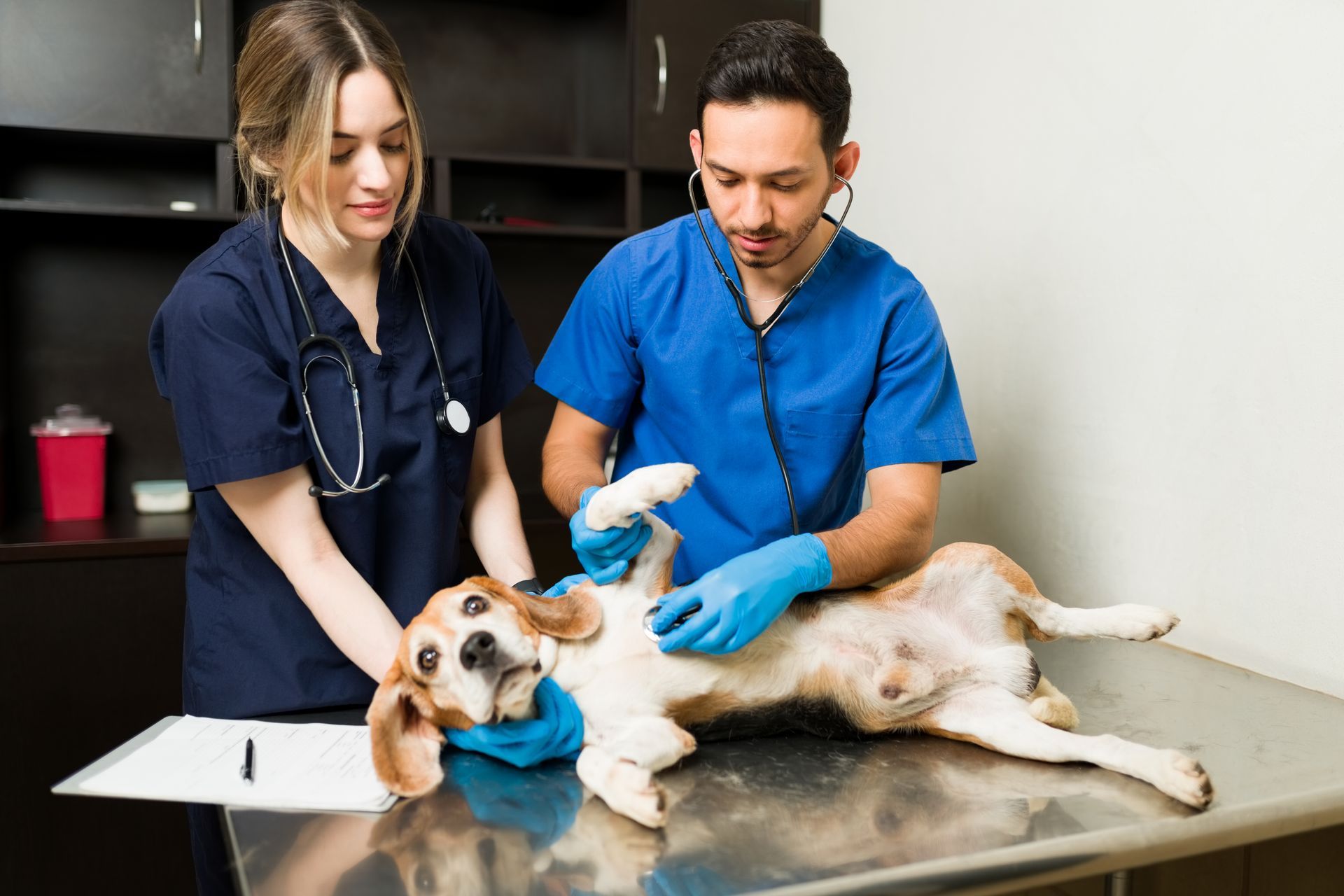
A senior pet exam involves much more than a simple visual check of their physical condition. The veterinary team utilizes thorough veterinary diagnostics, including specific blood work and urine analysis, to measure how well the internal organs are functioning. These internal systems process the medications needed for pain management, making it vital to ensure the liver and kidneys are healthy enough to handle daily anti-inflammatory support.
This proactive testing highlights minor cellular changes long before they turn into major metabolic crises. Identifying an emerging thyroid issue or early stage kidney disease in the fall means treatment can begin immediately. By establishing this clinical baseline, the team can create a highly tailored winter care plan that addresses both mobility and internal stability.
Managing Discomfort with Honest Proactive Care
Developing a pain management plan requires a clear and honest assessment of exactly what the animal needs to thrive. The goal is to provide targeted relief without overmedicating or recommending procedures that offer no real benefit to the aging pet. This transparent approach to veterinary internal medicine ensures owners feel confident in the care their companion receives.
This is something clients notice firsthand when bringing a new or aging pet in for an evaluation. It is a pattern the team hears regularly from families who want straightforward advice regarding the health of their dog.
► Client Experience: Our small dog loved dr Mangat and all the staff there for her first vet visit since we adopted her. They were very caring and loving towards our dog. I asked about a dental cleaning and they told me it’s not needed yet so was great to hear that they won’t push for extras that aren’t needed. - Blake R
Providing honest clinical guidance ensures you always know exactly which treatments will actually improve the daily life of your animal.
[H2] Frequently Asked Questions
Can I just give my dog over the counter joint supplements?
Over the counter supplements can provide mild support for healthy joints, but they are rarely strong enough to manage active arthritis pain. Many store bought options lack the specific clinical formulation required to significantly reduce inflammation in an aging animal. A veterinary assessment is necessary to prescribe medical grade anti-inflammatories that actually target the source of the discomfort safely.
What signs indicate my pet is in pain?
Animals are wired to hide physical vulnerability, meaning they rarely cry out or whimper when experiencing chronic joint pain. Instead, you might notice them excessively licking a specific joint, sleeping more than usual, or hesitating before jumping onto furniture. Any sudden behavioral change or reluctance to engage in their normal routine warrants a proper physical evaluation.
Protecting Your Aging Companion
Taking action before the colder weather sets in provides your older pet with a crucial buffer against seasonal discomfort. A thorough physical and internal assessment gives you the precise medical strategy needed to support their aging joints and organs.
Reach out to schedule a late fall
checkup so we can review their health and adjust their care plan accordingly.
Share This Blog